There are many differences between SEO and SEM, but both share the same goal. When we talk about marketing, ultimately what we seek is to deliver our content, service, or product to our target audience, whether through SEO, SEM, or social media. A good marketing strategy in most cases should work on all three areas.
What is SEO?
SEO (Search Engine Optimization) is a branch of digital marketing that focuses on making a website appear in the organic results of search engines, such as Google, through a series of techniques and strategies.
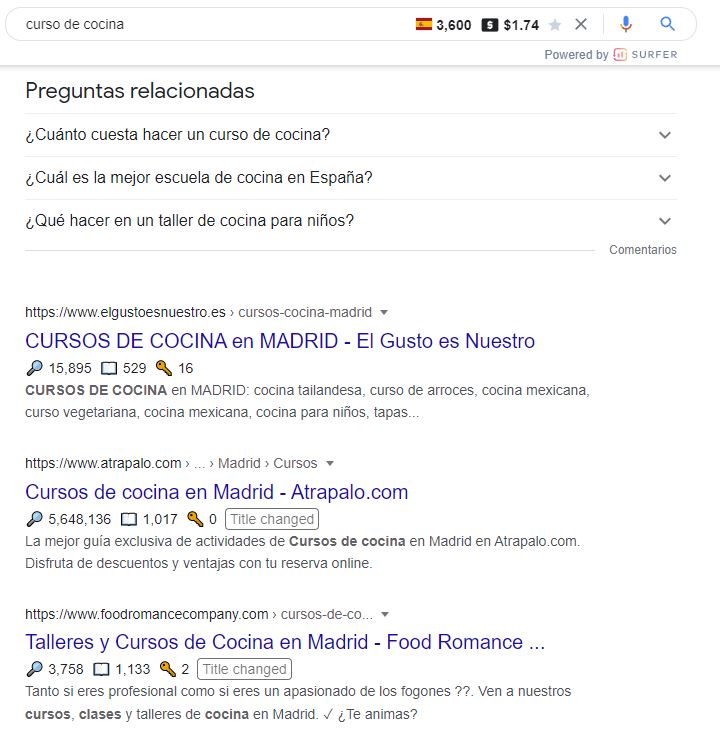
SEO positioning is one of the most used and reliable techniques to reach potential customers. Achieving good organic positioning is not easy and depends on your sector and business type—it can take more or less time to rank your website. For this, the most important thing is to have a strong SEO strategy.
The way SEO positioning is carried out has evolved over the years; strategies have had to change, and many techniques used around 2015 are now obsolete. This is one of the reasons to work with SEO specialists who stay constantly updated.
What is SEM?
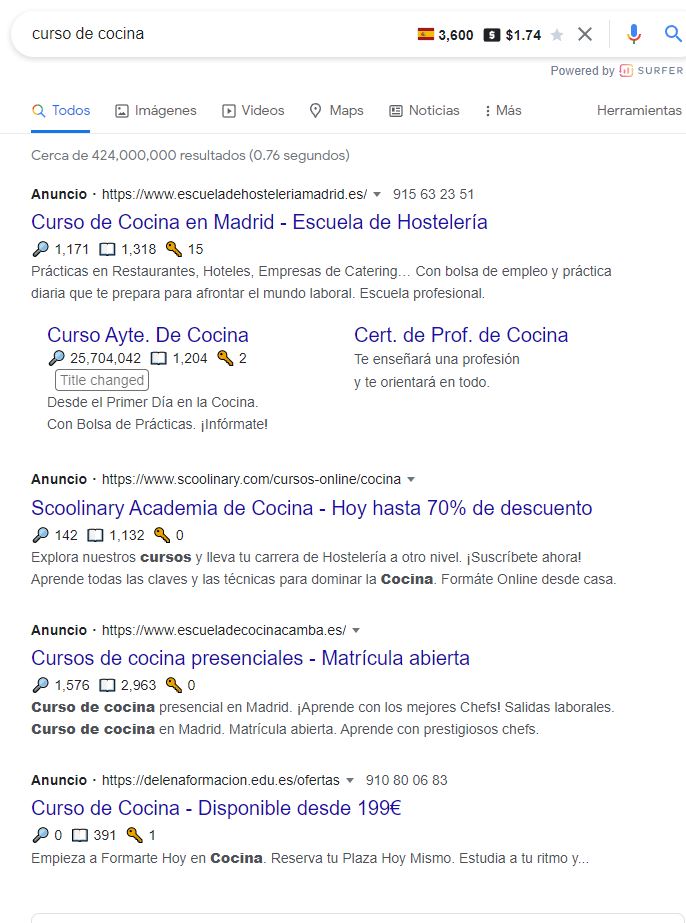
SEM (Search Engine Marketing) is paid advertising on search engines. For example, the SEM platform for Google is Google Ads, also known as Google AdWords. It involves paying through an auction where multiple websites bid for a keyword. Several factors determine whether you appear higher or lower in the search ads, but basically, the higher you pay, the higher you appear.
Landing pages are usually used for ads. These pages focus on conversions since you pay per click, so it’s crucial to try to maximize conversions. Therefore, a solid SEM strategy is essential.
Other key factors to improve conversion include enhancing the user experience (speed, no broken links, properly structured and easily accessible content, etc.). This ensures users navigate comfortably, increasing the chances of conversion and maximizing your paid ads.
Main differences between SEO and SEM
Here are the main differences between these two types of online marketing strategies:
Paid results vs. organic results
The main difference: with SEM, you pay Google to appear in the results, while with SEO, you don’t.
Longevity
When working with SEO, the results you achieve remain over time until a competitor overtakes you. If you stop doing SEO, your ranking doesn’t disappear overnight. SEM, on the other hand, is short-term; if you stop paying, your ads disappear immediately. SEO is a long-term marketing strategy.
Speed
One of SEM’s main advantages is immediacy. Unlike SEO, once you launch a campaign, you can start getting results right away. SEO is slower; it depends on competition. I like to compare SEM to a sprint and SEO to a marathon. SEO requires Google to crawl your site and decide where to position it. Short-term, SEM campaigns are often more profitable, but in the long term, organic positioning is key! I hope it’s not too obvious that I’m an SEO enthusiast. =)
Ease of making changes
You can modify an SEM campaign at any time, and changes take effect immediately. SEO requires caution; any change can affect your ranking positively or negatively. This is why a good marketing agency is crucial.
So, is it better to do SEO or SEM?
First, we hope the differences between SEO and SEM are clear.
Regarding which is better, the answer is simple: ideally, work on both strategies. If your budget doesn’t allow it, choose the one that best fits your product or service. For example, if you have a high-cost product and advertising is cheap, starting paid campaigns on Google or social media may be profitable in the short term.
Conversely, if your product is low-cost, SEO might be the better option. But this is just an example; each project should be analyzed individually.
At Dos Setenta, we aim to provide the best possible guidance and service, thanks to our teams in SEO, SEM, communication, and social media. If you have any questions about your website, you can contact us here or request a free audit.